
f you have ever stared at a beautifully designed app and wondered how it actually works, you have stumbled upon the eternal dance of back end front end development. In 2026, building a digital product is a lot like staging a Broadway show. The front end is the stage, the actors, the lighting, and the costumes—everything the audience sees and applauds. The back end is the trapdoors, the pulley systems, the script, and the director shouting cues from the wings. Without the stage, there is no show; without the backstage, the actors are just standing in a dark, empty room.
For anyone entering the tech space today, the distinction between back end front end is the first major hurdle to clear. It is not just about choosing a side; it is about understanding how these two halves of the same brain communicate to create a seamless experience. In this guide, we are going to strip away the jargon and look at the how and why of modern web architecture.
At Tinasoft, we have seen thousands of projects succeed or fail based on the strength of the back end front end integration. Whether you are a founder looking to hire your first engineer or a student trying to find your niche, this breakdown is designed to give you the clarity you need to navigate the complex landscape of 2026.
1. The Front End: Where Design Meets Human Interaction
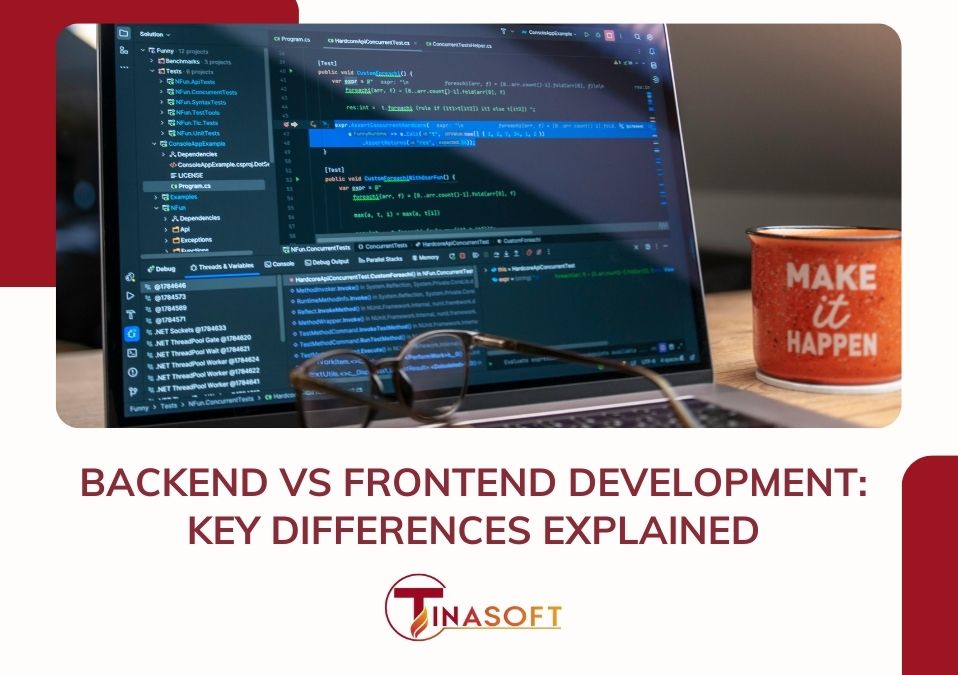
The front end is the visual and interactive part of an application. It is the part that lives in the user’s browser or on their smartphone. If you can see it, click it, or swipe it, it is a product of front-end development. Its primary mission is to make technology accessible, intuitive, and—ideally—delightful. In the world of back end front end, the front end is the ambassador. It has to be polite, fast, and responsive.
In 2026, this means more than just looking good on a desktop. It means an interface must adapt perfectly to foldable phones, smart glasses, and ultra-wide monitors. Front-end developers are the guardians of the user experience, ensuring that the technology stays out of the way of the user’s goals. The technology stack for this side is built on HTML, CSS, and JavaScript. However, the modern front end is rarely built from scratch. Frameworks like React, Next.js, and Vue have become the heavy hitters, allowing for a dynamic back end front end flow.
2. The Back End: The Invisible Engine of Truth
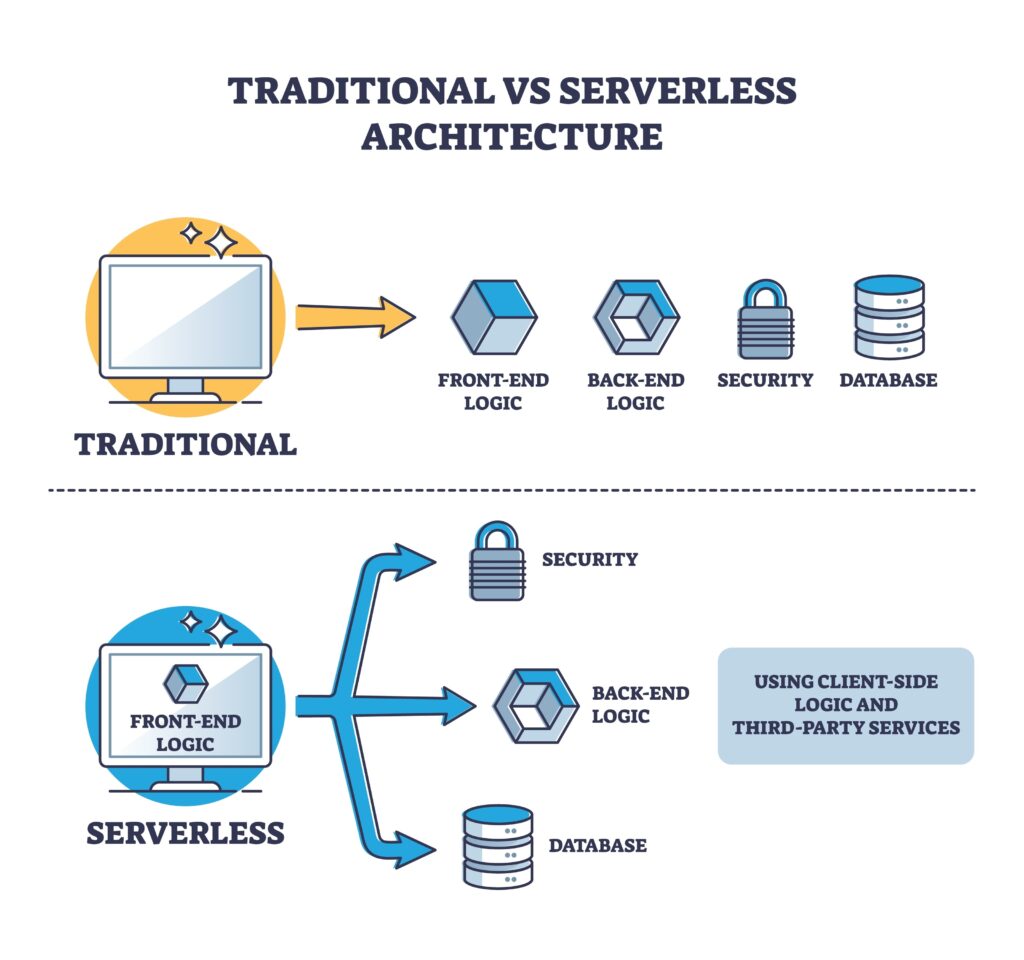
While the front end is busy making things look pretty, the back end is doing the heavy lifting. It is the part of the software that users never see, yet they feel its presence in every interaction. The back end is composed of the server, the database, and the application logic. When you click buy now on an e-commerce site, it is the back end that checks the inventory, processes your credit card, and updates your shipping status.
The back-end developer focuses on the architecture of the system. They are concerned with data integrity, security, and scalability. In the back end front end relationship, the back end is the source of truth. It manages the rules of the business—ensuring that a user can’t buy an item that is out of stock or access a private folder that doesn’t belong to them. In 2026, the back end has become incredibly sophisticated, using microservices to handle millions of requests. This is where the magic happens, turning a series of clicks into a completed transaction through a solid back end front end connection.
3. How the Back End Front End Stay Connected
To truly master the back end front end landscape, it helps to see the differences side-by-side. While they share the same goal—a happy user—their daily tasks and priorities are worlds apart.
| Feature | Front End Development | Back End Development |
| Visible? | Yes, it is the interface | No, it is the engine room |
| Primary Focus | UX, UI, Accessibility | Logic, Databases, Security |
| Key Metrics | Rendering speed, Frame rate | Query time, Server response |
| End Result | A rendered visual page | Processed data and API responses |
Understanding these back end front end differences is crucial because it dictates how a team is structured. You wouldn’t ask a chef to design the restaurant’s interior, and you wouldn’t ask the interior designer to cook the steak. Both are masters of their craft, but their tools and environments are distinct. However, the synergy of a well-aligned back end front end team is what produces a world-class digital product.
4. The API Bridge and Data Management
If the back end front end were two different countries, the API (Application Programming Interface) would be the bridge and the translator. The API is a set of rules that allows the front end to talk to the back end without needing to know how the back end is built. In 2026, we live in an API-first world. This means Tinasoft can build one powerful back end and then connect it to a web app, a mobile app, and even a voice assistant simultaneously.
Data is the lifeblood of this process. The back end acts as the vault, storing and protecting info in databases like PostgreSQL. The front end is the display case. It doesn’t own the data; it simply requests a copy of it to show to the user. This separation is a key security feature. You would never want to store your entire customer database in a user’s browser; that would be a disaster for your back end front end security. This constant dialogue between the vault and the display is what makes an app feel alive.
5. Security and Performance: A Team Sport
In 2026, security is not an optional feature; it is a deal-breaker. In the back end front end ecosystem, security is a shared responsibility, but the heaviest lifting happens behind the scenes. The back end is responsible for authentication and authorization. The front end contributes by implementing secure coding practices to prevent common attacks like Cross-Site Scripting. However, the back end front end relationship relies on the back end to be the ultimate gatekeeper of the truth.
Performance is also where the back end front end relationship is most visible. If a page takes more than three seconds to load, 40% of users will abandon it. This pressure forces both sides to optimize. On the front end, this means minifying code and optimizing images. On the back end, it is about writing efficient queries. A high-performance app is the result of a perfectly tuned back end front end stack. If the back end is slow, the front end will feel sluggish no matter how many animations you add. Speed is truly a team sport.
6. Tinasoft’s Philosophy: Bridging the Gap
At Tinasoft Vietnam, we don’t believe in silos. We don’t see the back end front end as two separate teams fighting for resources; we see them as a unified engine designed to solve human problems. Our engineers are encouraged to have a generalist mindset—understanding the entire lifecycle of a request from the moment a finger touches a screen to the moment a database record is updated. We bridge the gap between technical requirements and user needs.
We bring a logic-driven, versatile approach to every project. Whether we are building a complex enterprise system or a sleek consumer app, we prioritize stability and scalability. We believe that great software is built on honest communication and a deep understanding of the why behind the code. By mastering the intricate dance of the back end front end relationship, we deliver products that are not just functional, but truly transformative for our clients’ businesses. Every line of code is an investment in the user’s trust.
Ultimately, the back end front end are two sides of the same coin. An application cannot exist without the visual interface of the front end, nor can it function without the logical power of the back end. The most successful digital products of 2026 are those that treat this relationship with the respect and attention it deserves. Quality is found in the intersection of technical excellence and human-centered design. By investing in a balanced back end front end strategy, you ensure that your product is not just a flash in the pan, but a resilient tool.
🚀 Are you ready to build a product that excels from the server to the screen?
Don’t let technical silos hold your vision back. Partner with a team that understands the intricate dance of the modern stack. Let’s create something remarkable together that your users will truly love and trust.
👉 Follow Tinasoft for more industry insights and professional software solutions!
- 🌐 Website: [Tinasoft]
- 📩 Fanpage: Tinasoft Vietnam
#BackEndFrontEnd #WebDevelopment #Tinasoft #SoftwareEngineering #TechTrends2026 #FullStack #UserExperience #DataSecurity #ProgrammingLife #DigitalTransformation