
Discover the essential steps in the MVP development roadmap for 2026 to build a successful product. Learn how to effectively plan, create, and launch your Minimum Viable Product.
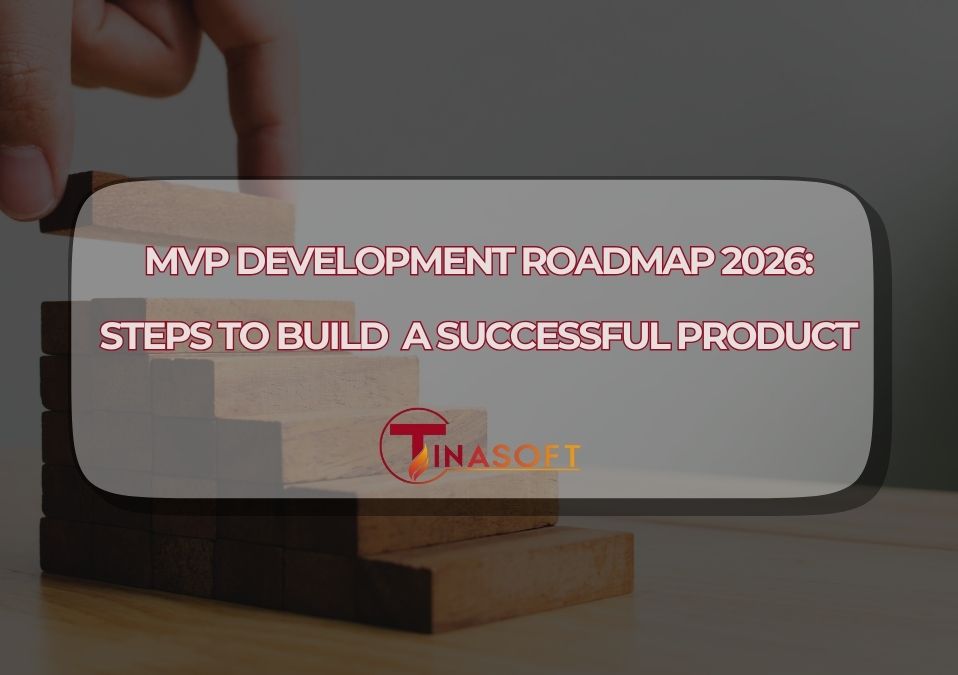
In the fast-paced world of technology and business, MVP development has become a crucial strategy for startups and established companies alike. MVP, or Minimum Viable Product, allows businesses to test their product ideas with minimal investment, gather user feedback, and iterate quickly before a full-scale launch. As we look towards 2026, understanding the roadmap for successful MVP development is essential for entrepreneurs and product managers. This blog will outline the key steps involved in this vital process.
1. Define Your Vision and Goals
The first step in the MVP development roadmap is to define your vision and objectives clearly. This includes understanding the problem your product will solve and who your target audience is. Your vision should be specific, measurable, achievable, relevant, and time-bound (SMART).
Key Questions to Consider:
- What unique value does my product offer?
- Who are my ideal users, and what pain points do they have?
2. Conduct Market Research
Before diving into MVP development, it’s crucial to conduct thorough market research. This phase helps to validate your idea and understand the competitive landscape. Analyze existing solutions, their strengths and weaknesses, and identify gaps that your product can fill.
Methods of Market Research:
- Surveys and Interviews: Talk to potential users about their needs and pain points.
- Competitive Analysis: Study competitors’ offerings to pinpoint opportunities for differentiation.
3. Design User-Centric Features
With a clear vision and market insights, the next step in MVP development is to design user-centric features. Focus on the core functionalities that will solve the primary problem for your users. Avoid the temptation to include every possible feature, as this can dilute your MVP’s value.
Feature Prioritization Techniques:
- The MoSCoW Method: Classify features into Must-have, Should-have, Could-have, and Won’t-have categories.
- User Story Mapping: Create user stories to visualize the user journey and prioritize essential features based on feedback.
4. Build a Prototyping Framework
Before actual coding begins, creating a prototype is essential. A prototype allows you to visualize your concept and gather feedback before significant resources are invested. This phase aligns closely with MVP development as it serves to validate ideas early on.
Types of Prototypes:
- Low-Fidelity Prototypes: Basic sketches or wireframes.
- High-Fidelity Prototypes: Interactive models that closely resemble the final product.
5. Develop Your MVP
Once the prototype is validated, you can start the actual MVP development process. This involves building the minimum viable product based on the feedback you received. Focus on agility and functionality, and aim for a product that is stable enough for initial users but not overloaded with features.
Development Best Practices:
- Agile Methodology: Use short sprints to continually improve your product.
- Continuous Integration: Ensure that code changes are continuously tested and merged to avoid integration issues.
6. Testing and Quality Assurance
Quality assurance is a critical phase in MVP development. Rigorous testing helps to identify bugs and usability issues before you release the product to users. Consider multiple levels of testing, including functional, performance, and user acceptance testing.
Important Testing Techniques:
- A/B Testing: Compare two versions of your product to see which performs better.
- User Testing: Involve potential users in testing sessions to gather real-world feedback.
7. Launch Your MVP
After thorough testing and refinement, you are ready to launch your MVP. Marketing your product effectively is crucial during this stage. Create buzz through social media, email campaigns, and other channels to attract early adopters who can provide invaluable feedback.
Marketing Strategies for Your MVP Launch:
- Social Media Campaigns: Engage with potential users on platforms where they are active.
- Influencer Outreach: Collaborate with industry influencers to broaden your reach.
8. Gather User Feedback
Post-launch, the feedback you receive from users is essential for further improvements. Encourage users to provide their insights to understand how well your product meets their needs. Use surveys, interviews, and analytics tools to gather this critical data.
Methods to Analyze Feedback:
- Net Promoter Score (NPS): Measure customer loyalty and satisfaction.
- User Interviews: Conduct follow-up discussions to delve deeper into user experiences.
9. Iterate and Improve
The MVP development process doesn’t stop at the launch. Use the feedback gathered to iterate on your product, adding features, enhancing usability, and fixing issues. Continuous improvement is key to maintaining relevance and user satisfaction.
Key Iteration Strategies:
- Roadmap Updates: Regularly update your product roadmap based on user feedback and market changes.
- Agile Sprints: Continue applying agile principles to streamline updates and new feature releases.
10. Scale Your Product
Once you’ve validated your MVP and made improvements based on user feedback, it’s time to consider scaling. This involves expanding your product to reach a broader audience, enhancing its features, and exploring additional markets.
Strategies for Scaling Your MVP:
- Performance Optimization: Ensure your infrastructure can handle increased usage.
- Market Expansion: Explore new customer segments or geographical regions.
Conclusion
In conclusion, following a structured MVP development roadmap is essential for building a successful product in 2026. By defining your goals, conducting thorough research, designing user-centric features, and continuously gathering feedback, you can create a product that truly meets the needs of your users. Embrace the iterative nature of MVP development, and be prepared to adapt and evolve as you scale your product.
Whether you’re a startup or an established company, understanding these steps will empower you to navigate the complexities of product development successfully. Start your journey today, and make your vision a reality!
🌐 Website: [Tinasoft]
📩 Fanpage: Tinasoft Vietnam