
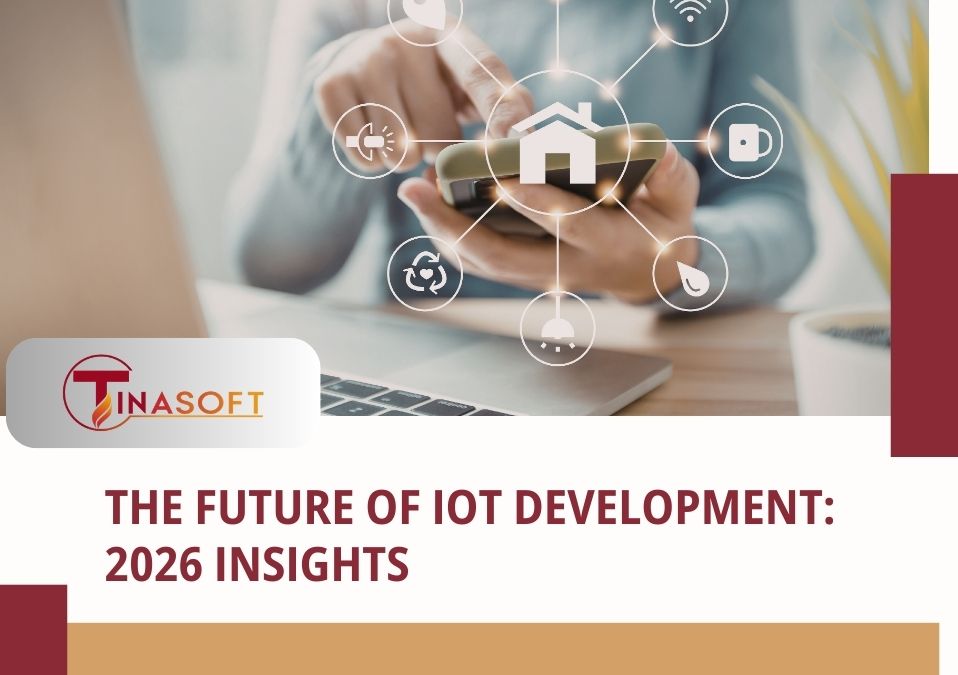
The Internet of Things (IoT) has revolutionized how we interact with the world around us. From smart homes to industrial automation, IoT development is driving innovations and efficiencies across various sectors. As we approach 2026, it is essential to analyze current trends and anticipate future advancements in this rapidly evolving field. This blog will explore the future of IoT development, examining its implications for businesses, consumers, and the technology landscape.
Understanding IoT Development
IoT development involves creating devices and applications that connect to the internet and communicate with each other. This technology enables seamless data exchange, remote control, and real-time monitoring, transforming everyday objects into smart devices. With millions of connected devices projected by 2026, the demand for IoT development will continue to surge.
Current Trends in IoT
Before diving into future insights, let’s briefly look at some current trends shaping IoT development:
- Increased Connectivity: The rollout of 5G technology is significantly enhancing connectivity. This higher bandwidth and lower latency will facilitate real-time data transmission, enabling smarter and more efficient IoT applications.
- Edge Computing: As IoT devices generate massive amounts of data, edge computing is becoming essential. By processing data closer to the source, businesses can reduce latency, enhance real-time decision-making, and improve security.
- Artificial Intelligence (AI) Integration: The convergence of AI and IoT, often referred to as AIoT, is creating intelligent systems capable of autonomous decision-making. This integration allows for predictive analytics, anomaly detection, and enhanced user experiences.
Key Predictions for IoT Development by 2026
1. Proliferation of Smart Devices
By 2026, we can expect a significant increase in the proliferation of smart devices across various sectors. From healthcare to agriculture, I0T development will enable organizations to collect real-time data and gain insights that were previously inaccessible. For instance, smart wearables in healthcare will monitor patients’ vital signs continuously, allowing for timely interventions.
2. Enhanced Security Measures
As IoT devices become more widespread, security concerns will escalate. Data breaches and cyber-attacks targeting connected devices will continue to pose significant risks. In response, there will be a strong emphasis on developing robust security measures. Businesses will adopt encryption, secure authentication protocols, and regular software updates to safeguard their devices and data.
3. Sustainable IoT Development Solutions
With increasing awareness of environmental concerns, sustainability will play a crucial role in IoT development. Companies will focus on creating energy-efficient devices and utilizing IoT solutions to monitor and reduce their carbon footprint. For instance, smart grids will optimize energy consumption, while smart agriculture solutions will minimize resource wastage.
4. Interoperability and Standardization
A significant challenge in IoT development is the lack of interoperability among devices and platforms. By 2026, we can expect advances in standardization efforts, enabling different IoT devices to communicate seamlessly. Organizations will collaborate to establish common protocols, ensuring that devices from various manufacturers can work together effectively.
5. Increased Focus on Data Privacy
As IoT devices collect vast amounts of personal data, consumer concerns about privacy will intensify. By 2026, businesses will need to prioritize data privacy in their IoT development strategies. Transparent data collection practices and user consent mechanisms will become essential to build trust and comply with evolving regulations.
Challenges Facing IoT Development
While the future of IoT development is promising, several challenges remain:
1. Scalability Issues
As the number of connected devices continues to rise, businesses will face scalability challenges. Ensuring that IoT systems can handle large volumes of devices and data will require robust infrastructure and advanced cloud solutions.
2. Skill Shortages
The demand for IoT development professionals is growing, but the supply is not keeping pace. Companies will need to invest in training and upskilling their workforce to bridge the skills gap. Collaborating with educational institutions to create IoT-focused curricula will also be vital.
3. Regulatory Compliance
Navigating the regulatory landscape can be complex for IoT developers. As privacy laws evolve globally, businesses will need to stay informed and comply with various regulations. This may require ongoing legal consultation and adjustments to products and services to ensure compliance.
The Role of Businesses in Shaping IoT Development
Businesses play a crucial role in shaping the future of IoT development. Here are some ways they can contribute:
1. Investment in Innovation
Companies should prioritize investment in research and development to drive innovation in IoT. Collaborating with startups and tech firms can lead to groundbreaking solutions and accelerate the adoption of new technologies.
2. Collaborating Across Industries
Cross-industry collaboration will be essential for advancing IoT solutions. By partnering with other sectors, businesses can share expertise, resources, and insights that drive meaningful advancements in IoT development.
3. Fostering a Culture of Continuous Learning
To stay competitive, businesses should foster a culture of continuous learning. Encouraging employees to pursue ongoing education and attend industry conferences will equip them with the latest knowledge and trends in IoT development.
Conclusion
The future of IoT development is brimming with opportunities and challenges. As we approach 2026, organizations must stay ahead of the curve by embracing innovation, prioritizing security, and focusing on sustainability. By understanding and addressing the key trends and challenges, businesses can leverage IoT development to drive growth, enhance efficiency, and create a smarter world.
Join the IoT Revolution Today!
If you’re ready to be part of the IoT revolution, consider pursuing a career in IoT development. Many companies, including Tinasoft, are actively seeking talented individuals to help shape the future of this exciting field. Take the first step toward a rewarding career in technology — explore your options today!
🌐 Website: [Tinasoft]
📩 Fanpage: Tinasoft Vietnam